Categories
- No categories yet

IP Whitelisting for OpenRouter: What You Need to Know
Setting up static IPs for OpenRouter prevents the mysterious 403 error that brings your data sync and application features to a sudden standstill. You trace the logs, expecting a broken payload or an expired token, only to find the root cause deep in the network layer.
Ifedolapo Ojo
•
August 26, 2026

Deploy the Airtable Middleware on Railway with OutboundGateway
This is the follow-up to the Airtable IP whitelisting guide. In that post we set up an Airtable automation that calls a small middleware service.
Tom Mikulin
•
August 5, 2026

The Best EU Heroku Alternatives in 2026
Heroku is one of the best-known managed platforms, and for years it was the default choice for getting an app online fast. Since Heroku announced its "sustaining engineering model", a lot of teams started looking at alternatives.
Tom Mikulin
•
August 5, 2026
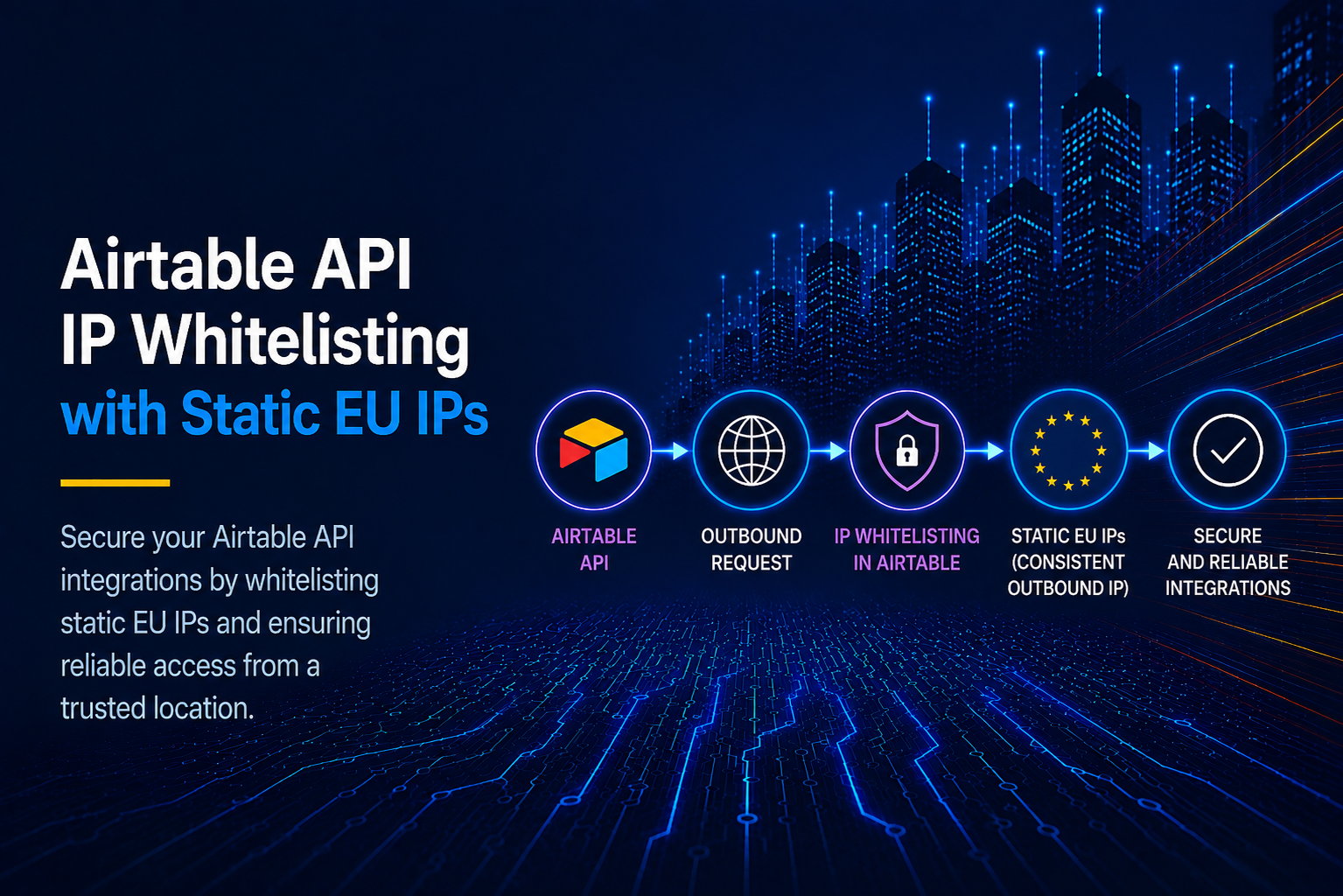
Airtable API IP Whitelisting with Static EU IPs
Because Airtable runs on shared AWS infrastructure, its outbound IP addresses rotate constantly. There is no single IP you can give an IT security team to allowlist. One day your automation works; the next day a new AWS IP shows up, the firewall blocks it, and your data sync silently breaks.
Tom Mikulin
•
July 30, 2026
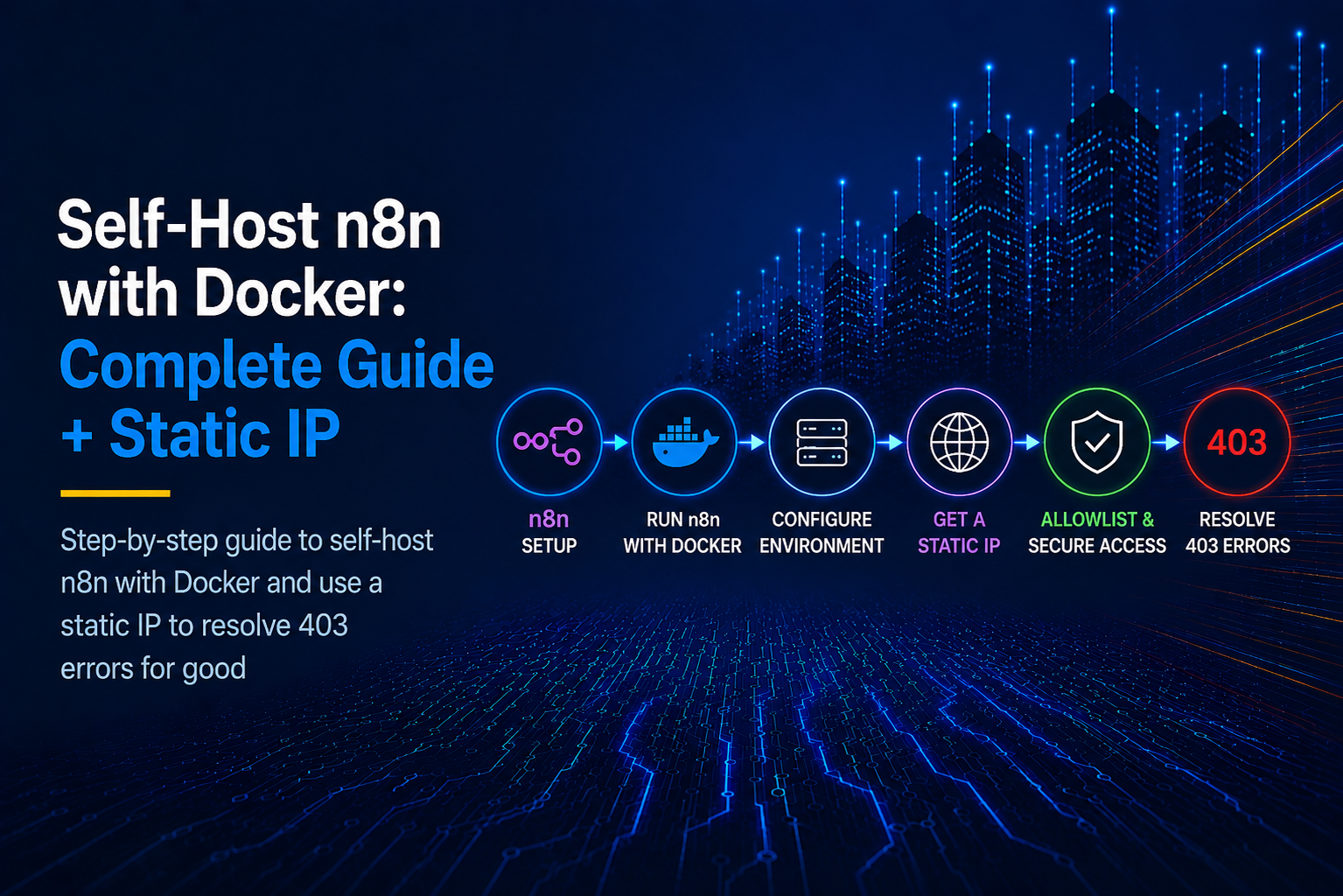
Self-Host n8n with Docker: Complete Guide + Static IP for 403 Errors
n8n is a low-code workflow automation tool that enables you to connect different APIs to create workflows. It also has plenty of AI features that make it an attractive option for AI adoption.
Karthik Devan
•
July 28, 2026
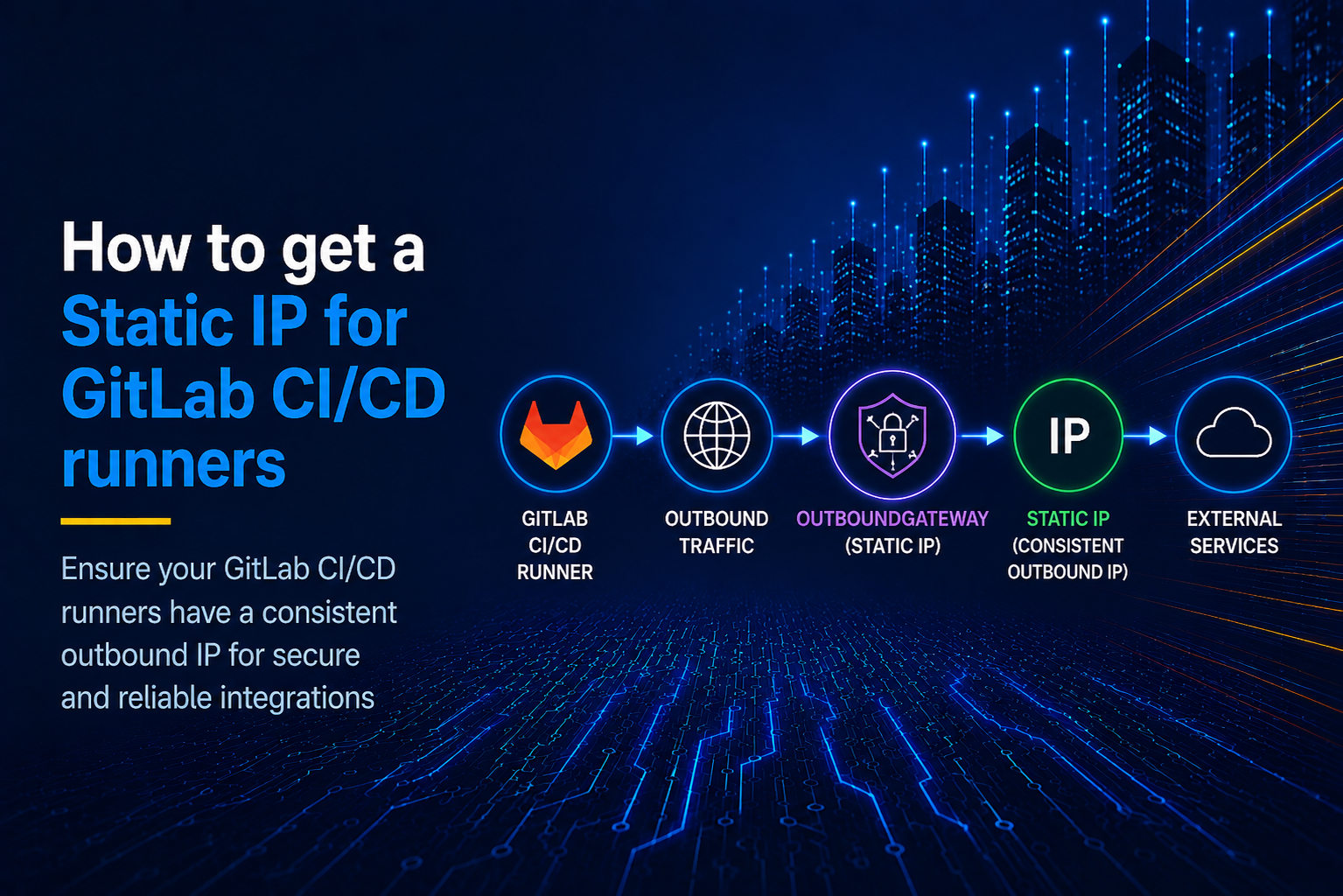
How to get a Static IP for GitLab CI/CD runners
If you're using the GitLab cloud version or their cloud CI runners, at some point you're probably going to run into a use case of whitelisting an IP from them.
Tom Mikulin
•
July 25, 2026
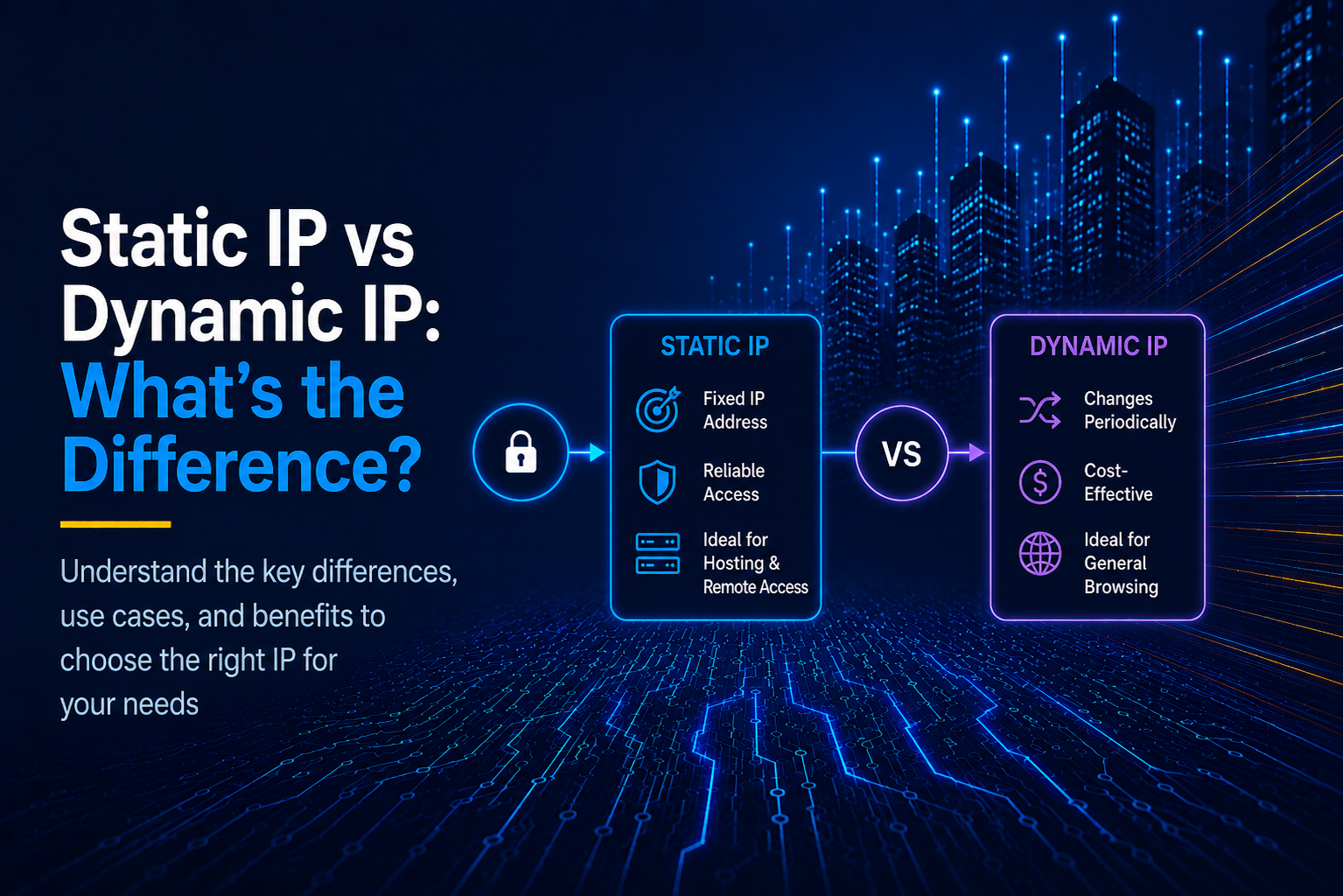
Static IP vs Dynamic IP: What's the Difference?
Have you ever had an app ask you to log in again because "your location has changed"? This is common when you have a dynamic IP address (an IP address that keeps changing).
Karthik Devan
•
July 7, 2026
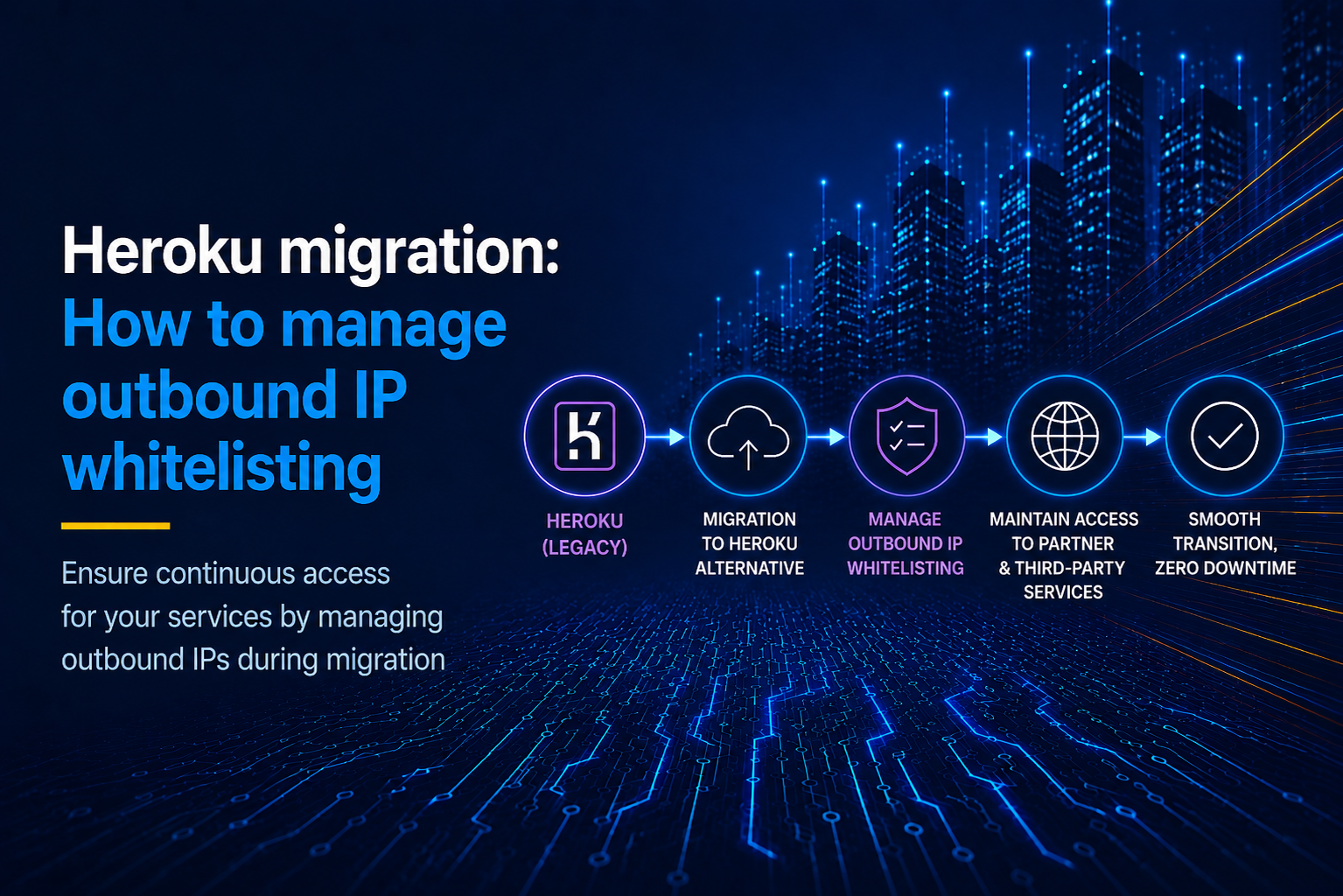
Heroku migration: How to manage outbound IP whitelisting
In 2026, Heroku famously announced that they were entering a so-called "sustaining engineering model", which means they won't be releasing new features or advancing their platform in any meaningful way.
Tom Mikulin
•
June 29, 2026

The European Technological Sovereignty Package: What It means for EU businesses
The start of June saw the European Union announce the European Technological Sovereignty Package. The proposal had been delayed three times before it was finally announced on 3rd June, 2026. In short, the policy aims to bolster the EU's autonomy over its digital future.
Megana Natarajan
•
June 26, 2026
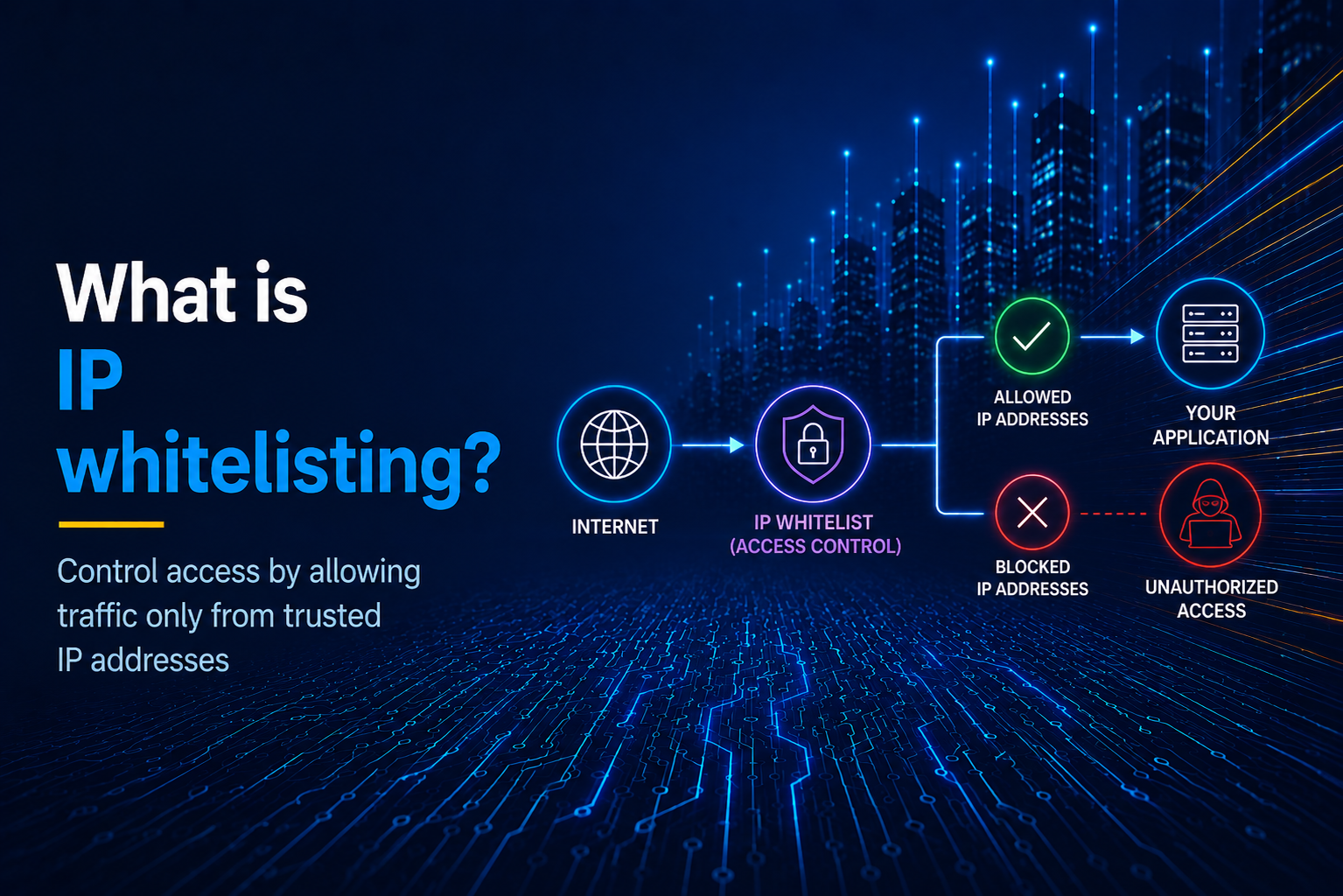
What is IP whitelisting?
IP Whitelisting is an access control policy that lets only a set of allowed IP addresses access a system, network, or application, while blocking connections from all other IPs. A client will be blocked even if it has the right credentials when its IP is not on the allowlist.
Karthik Devan
•
June 22, 2026
Page 1 of 2
Next